Fotoreportazh nga ishulli i Sazanit 1915 – 1921
Më 30 tetor 1914 kryqëzori italian “ETNA” zbarkoi në ishullin e Sazanit një kompani të marinës mbretërore italiane. Sipas Traktatit të Londrës të vitit 1915, Italisë iu premtua ndër të tjera edhe sovraniteti mbi Sazanin, Vlorën dhe hinterlandin e saj. Italia filloi pa humbur kohë një program ambicioz ndërtimesh për kthimin e ishullit në një bazë detare të marinës italiane për të kontrolluar ngushticën e Otrantos, e cila me shpërthimin e Luftës së Parë mori një rëndësi të madhe. Albumi fotografik me 91 foto ilustron ecurinë e punimeve fortifikuese gjatë gjithë Luftës së Parë; portin ushtarak në gjirin e Shën Kollit, bateritë e artilerisë, rrugën e dekovilit, teleferikun për transportin e materialeve ndërtuese, godinat e shërbimeve mbështetëse dhe ndërtesat e komandës. Pas fotografive dallohet vula e njësisë ushtarake që ka realizuar ndërtimet në ishull; ‘SEZIONE STACCATA GENIO MILIT .R. MARINA *BRINDISI*’. Në natën e 11 nëntorit 1916 duke lundruar mes Karaburunit dhe Sazanit anija e flotës mbretërore italiane ‘Regina Margherita’ u fundos bashkë me një pjesë të ekuipazhit. Në kujtim të pesëvjetorit të ngjarjes tragjike, më 11 nëntor 1921, u ngrit një përmendore dhe një kapelë për t’i shërbyer personelit ushtarak. Të dy objektet u shkatërruan gjatë regjimit diktatorial.
Reportazh për ndërtimin e portit të Durrësit
Porti i Durrësit u ndërtua gjatë Mbretërisë Shqiptare përmes kredisë 50 milion Fr. Ar. të qeverisë së Benito Musolinit, të akorduara prej ‘Shoqërisë për zhvillim ekonomik të Shqipërisë’ - S.V.E.A (Societa per lo Svilupo Economico delle Albania) për investime në infrastrukturën shqiptare, gjysma e së cilës u destinua për ndërtimin e portit të Durrësit. Punimet filluan në qershor 1928 dhe përfunduan në qershor 1934. Porti i ri u projektua nga inxhinieri i shquar italian për ndërtimin e porteve Luigi Luiggi. Punimet u kryen nga shoqëria triestine “Ing. Fratelli Mazorana”. Në përfundim, porti i ri i Durrësit kishte një infrastrukturë shumë moderne për kohën dhe ishte i lidhur me një kabull telegrafik nënujor me Brindisin, për transmetimin e buletinit meteorologjik. Sipërfaqja e tij pas ndërtimit ishte 35.000 m².
Vizita e Konti Ciano
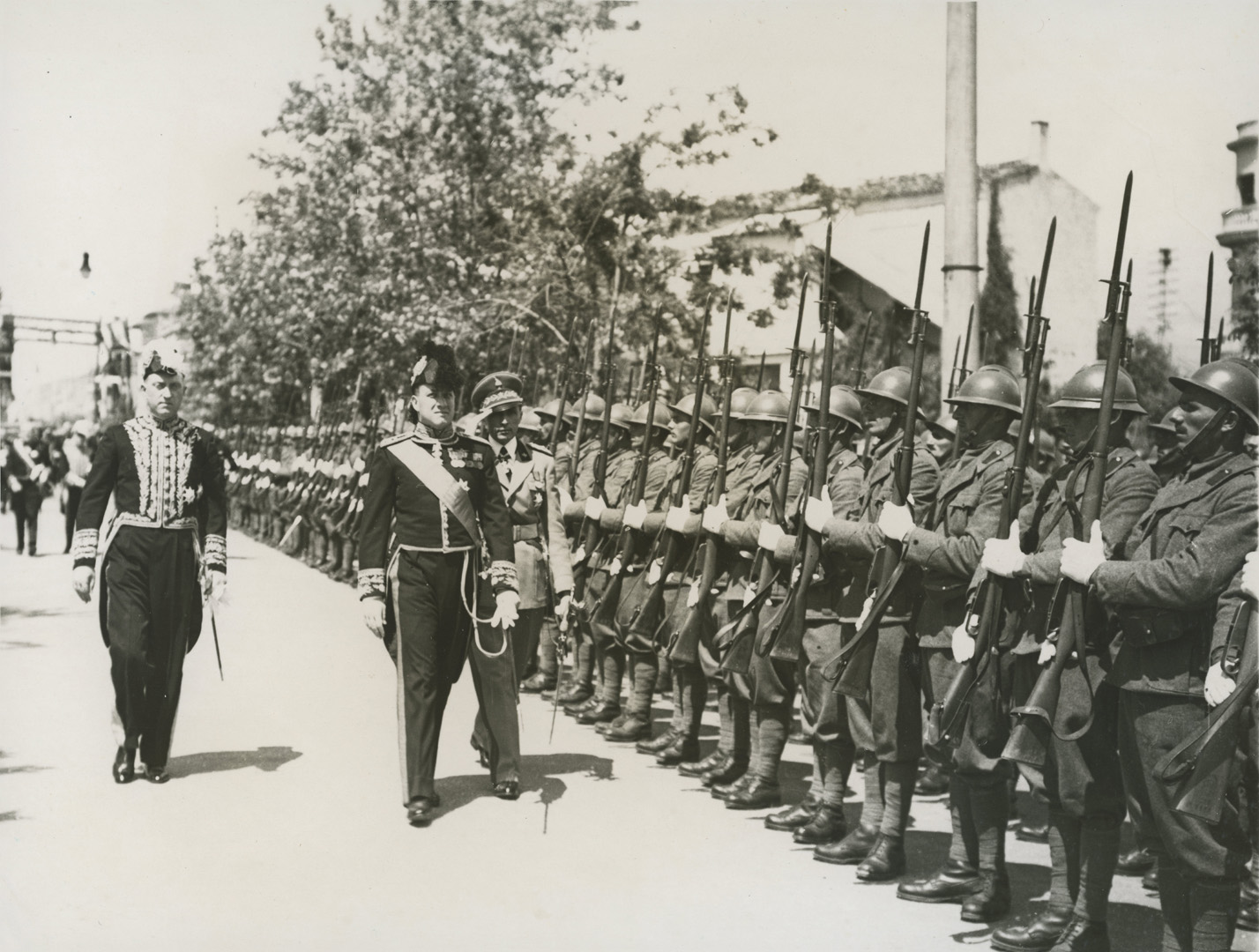
Konti Galeazzo Ciano, ministër i Jashtëm në qeverinë e Benito Mussolini-t erdhi në Shqipëri disa herë gjatë viteve 1937- 1940. Fotot ilustrojnë vizitën e tij më 29 prillit 1937.
Reportazhi nga qyteti i Durrësit
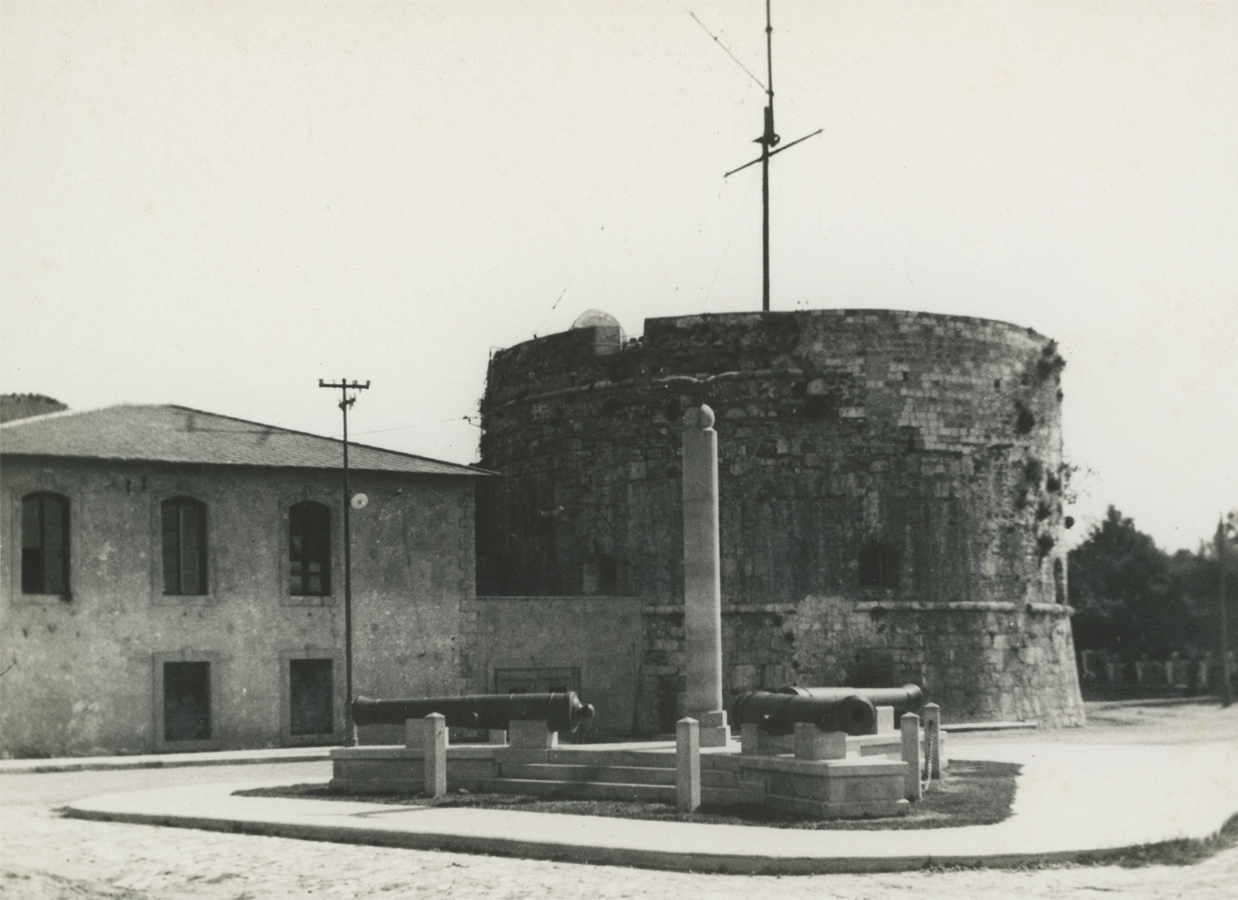
Pamjet ilustrojnë qytetin e vjetër otoman në fillim të shekullit, si dhe ndërtimet e mëvonshme publike dhe civile 1929-1940.
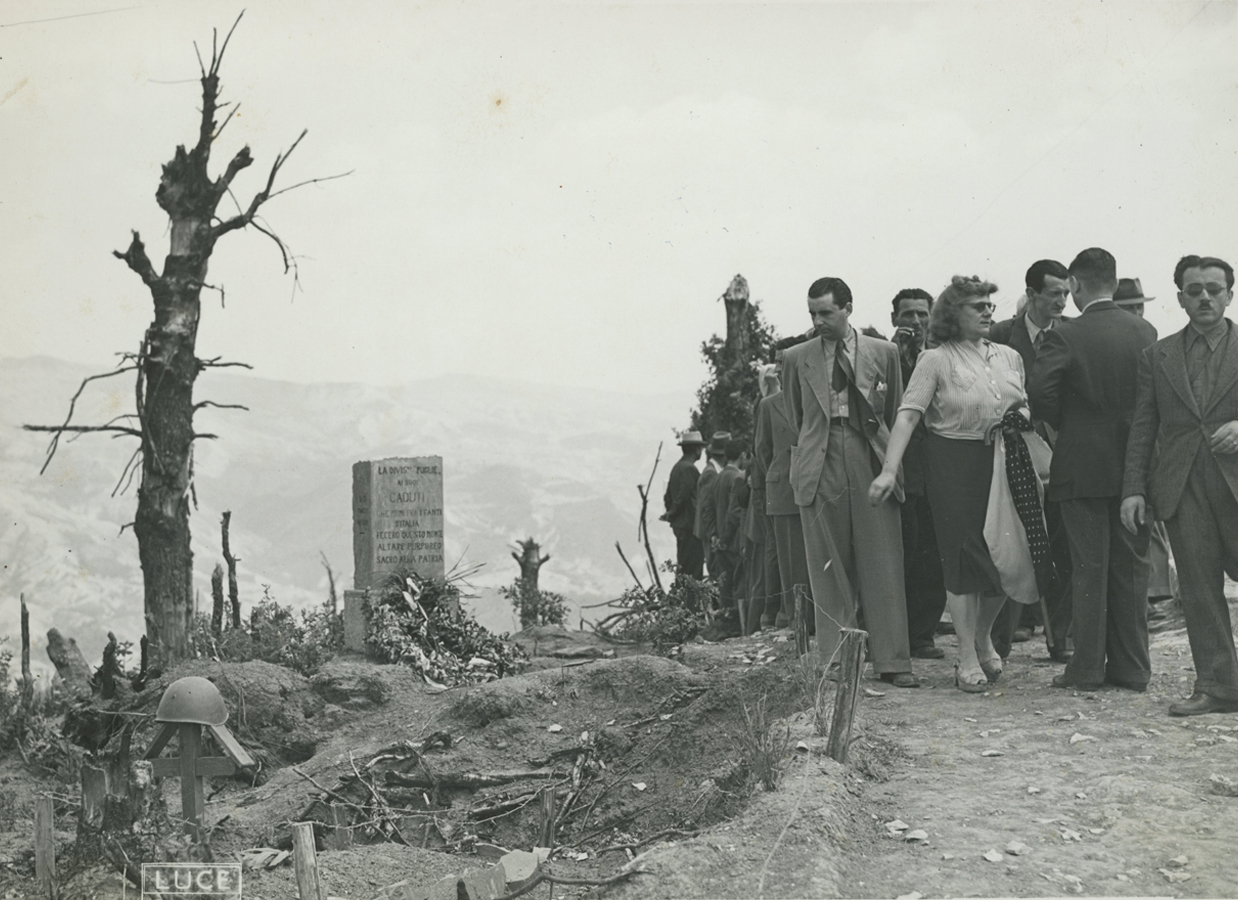
Pelegrinazh në "Kuota 731", Rehovë, Skrapar
Reportazh i Institutit “LUCE”, që përshkruan pelegrinazhin e zhvilluar më 3 qershor 1941 në homazh të të rënëve të betejës së Kodrës së Manastirit, beteja më e përgjakshme e Luftës Italo-Greke, e njohur ndryshe si “Kuota 731”.
Një fluturim i 1941-shit mbi Shqipëri
Album i Shoqërisë Anonime “ALA LITTORIA’ me pamje ajrore nga Shqipëria. Shoqeria “ALA LITTORIA” ishte linja kombëtare italiane gjatë regjimit fashist e cila operoi edhe në Shqipëri në vitet 1935 – 1943. Gjatë viteve 1940 shoqëria përmirësoi dhe ndërtoi infrastrukturë të re aeroportuale dhe shtriu aktivitetin e saj në gjithë Shqipërinë. Pamjet ajrore dokumentojnë qytetet e Gjirokastrës, Tepelenës, Lezhës, Krujës, si dhe godinat e reja të sapondërtuara të aerodromëve të Devollit, Kukësit, Peshkopisë etj.
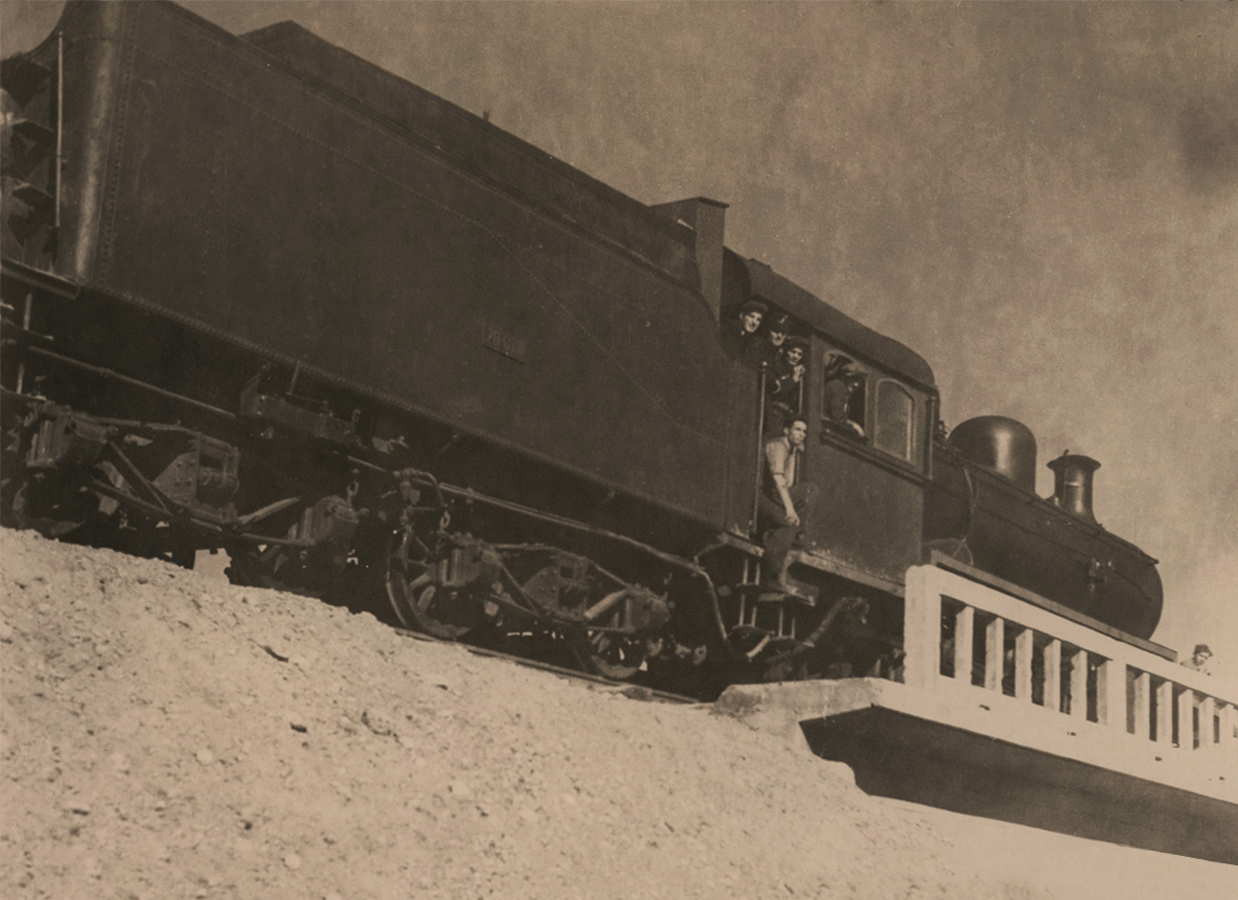
Album për ndërtimin e hekurudhës Durrës – Peqin
Hekurudha nga Durrësi deri në Peqin, e njohur si hekurudha e ‘’Rinisë”, u ndërtua me të ashtëquajturin kontribut vullnetar të të rinjve dhe të rejave shqiptare. Ishte hekurudha e parë në vend, me një gjatësi 44 km. Punimet për ndërtimin e saj filluan më 1 maj 1947 dhe u përurua më 7 nëntor 1947 nga Enver Hoxha.
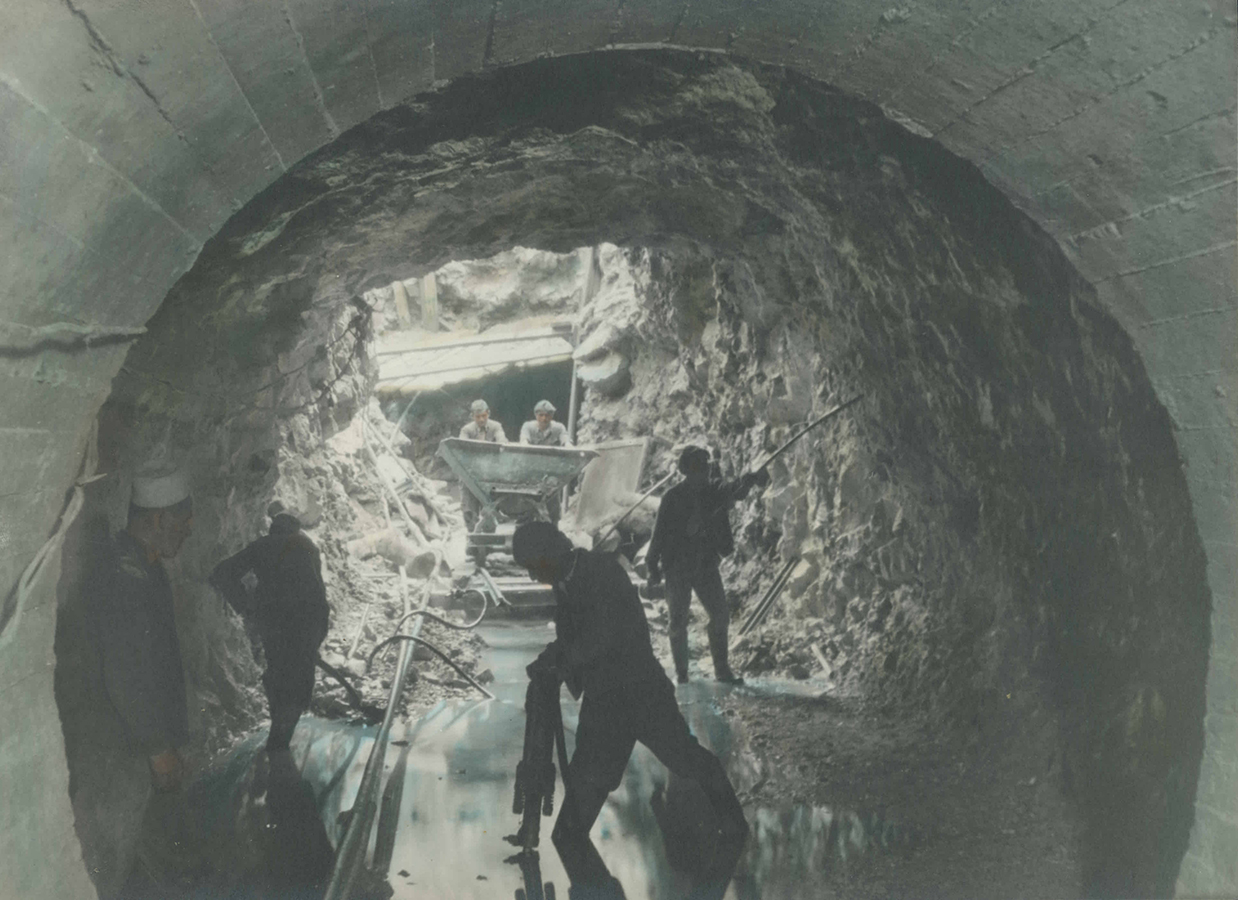
Album i kolektivit të Ministrisë së Ndërtimit me rastin e 10-vjetorit të themelimit të Partisë, 1951
Albumi ilustron momente të realizimit të 4 veprave: Hidrocentrali "Lenin" dhe Kombinati i Tekstileve "Stalin" në Tiranë, fabrika e sheqerit "8 Nëntori" në Maliq, fabrika për zhveshjen e pambukut në Fier.
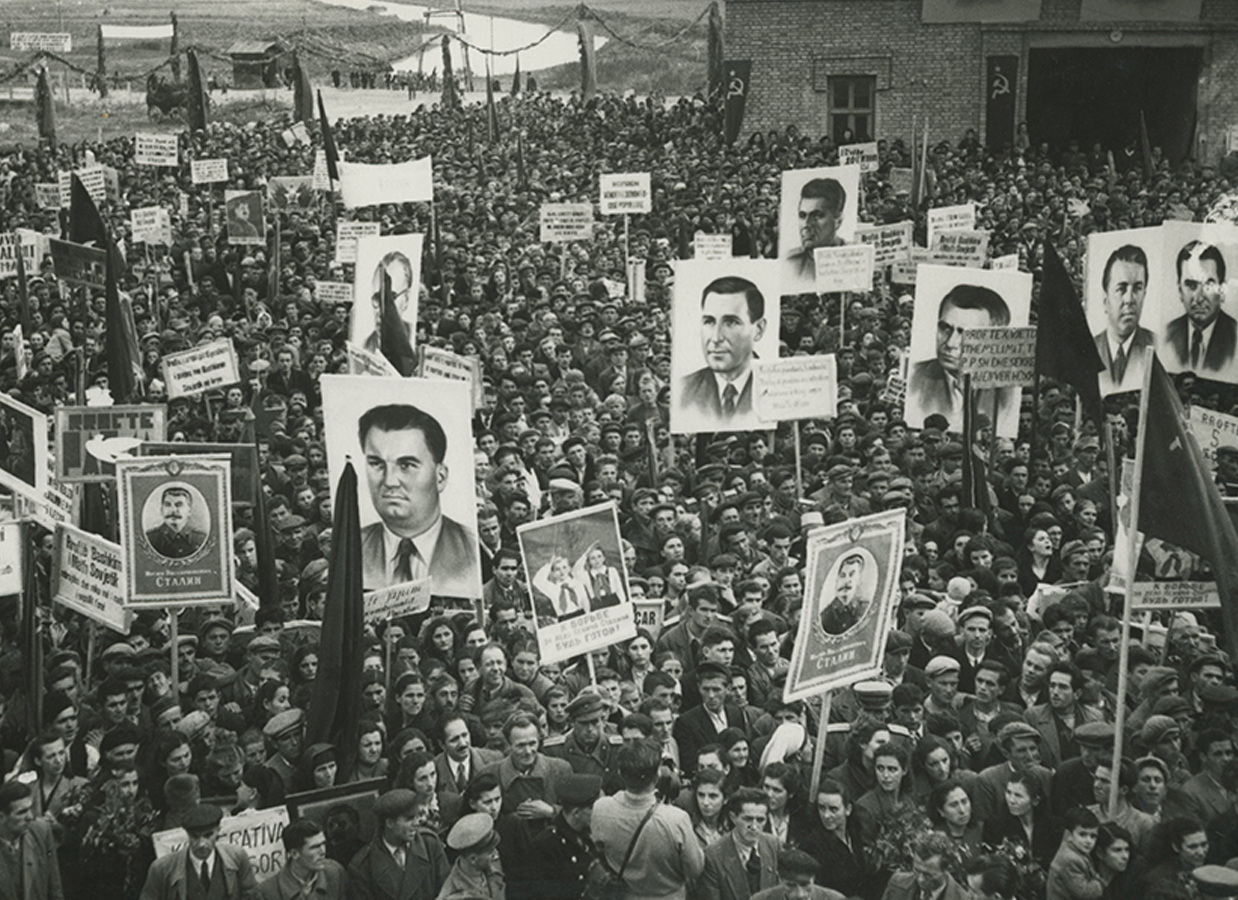
Album mbi festimet e 10-vjetorit të themelimit të Partisë, në Korçë, 1951
Ngjarja kryesore ishte përurimi i fabrikës së sheqerit "8 Nëntori" në Maliq, dhuratë e Bashkimit Sovjetik.
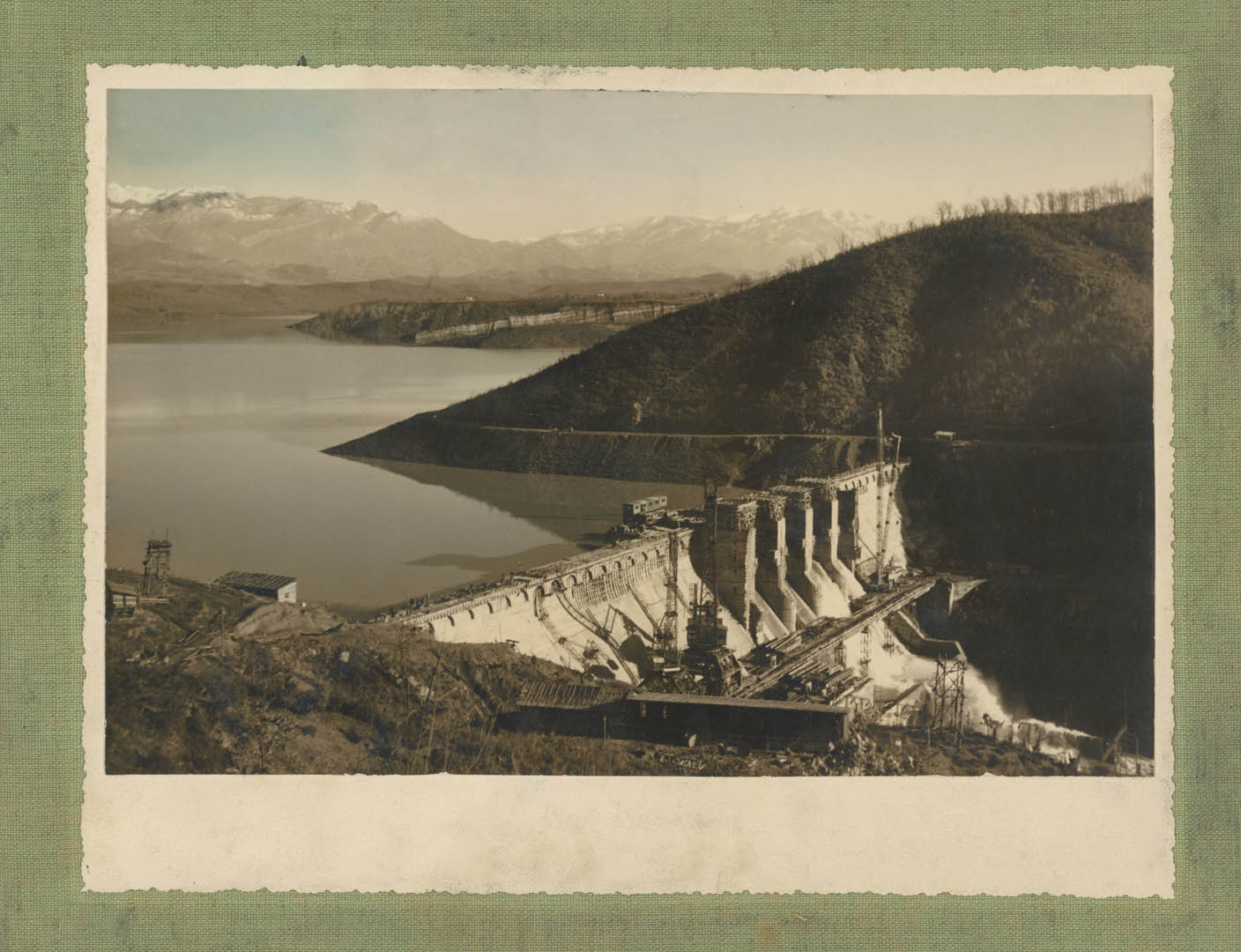
Album Ulza ''Hidrocentrali Enver''
Albumi fotografik ilustron ndërtimin e hidrocentralit “Enver”, i cili më pas ndryshoi emër në “Karl Marks”. Katër HEC-et e para të ndërtuara në vitet 1950 – 1960 u pagëzuan me emrat e katër klasikëve të marksizëm-leninizmit, “V. I. Lenin” në Selitë, “Karl Marks” dhe “Frederik Engels” mbi lumin Mat dhe “J.V Stalin” mbi lumin Bistricë. Hidrocentrali “Karl Marks” u ndërtua gjatë 5-veçarit të dytë (1956 -1960) dhe u financua plotësisht nga paketa e ndihmave të Bashkimit Sovjetik. Punimet për HEC-in filluan në tetor të 1954-ës dhe turbina e parë u vu në përdorim në 1957. Fotograf Jani Ristani.
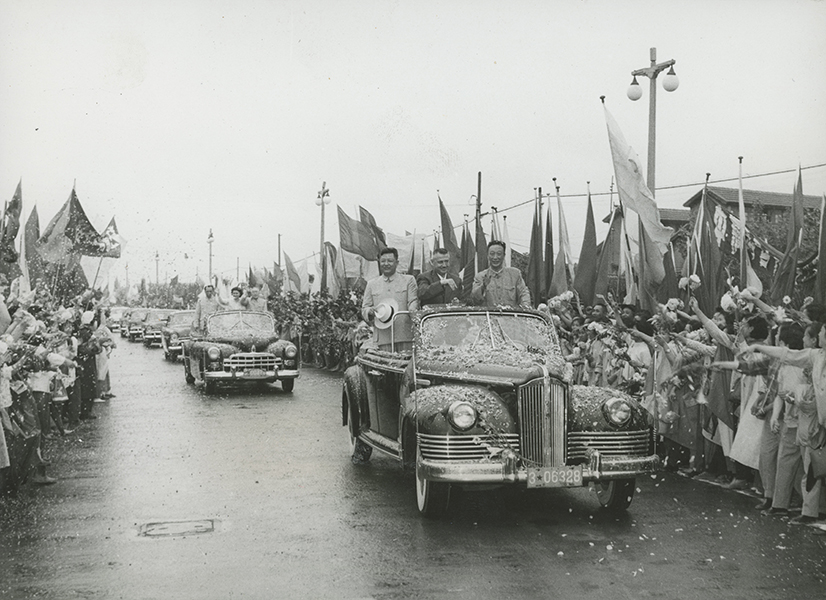
Vizita e delegacionit të lartë në Kinë, Vietnam, Kore dhe Mongoli, në qershor 1960
Delegacioni i lartë shqiptar përbëhej nga Kryetari i Presidiumit të Kuvendit Popullor Haxhi Lleshi, Liri Belishova antare e Byrosë Politike dhe Sekretare e Komitetit Qëndror të Partisë dhe autoritete të tjera të larta. Delegacioni zhvilloi takime të nivelit të lartë në Republikën Popullore të Kinës, Republikën Demokratike të Vietnamit, Republikën Demokratike Popullore të Koresë dhe Republikën Popullore të Mongolisë.
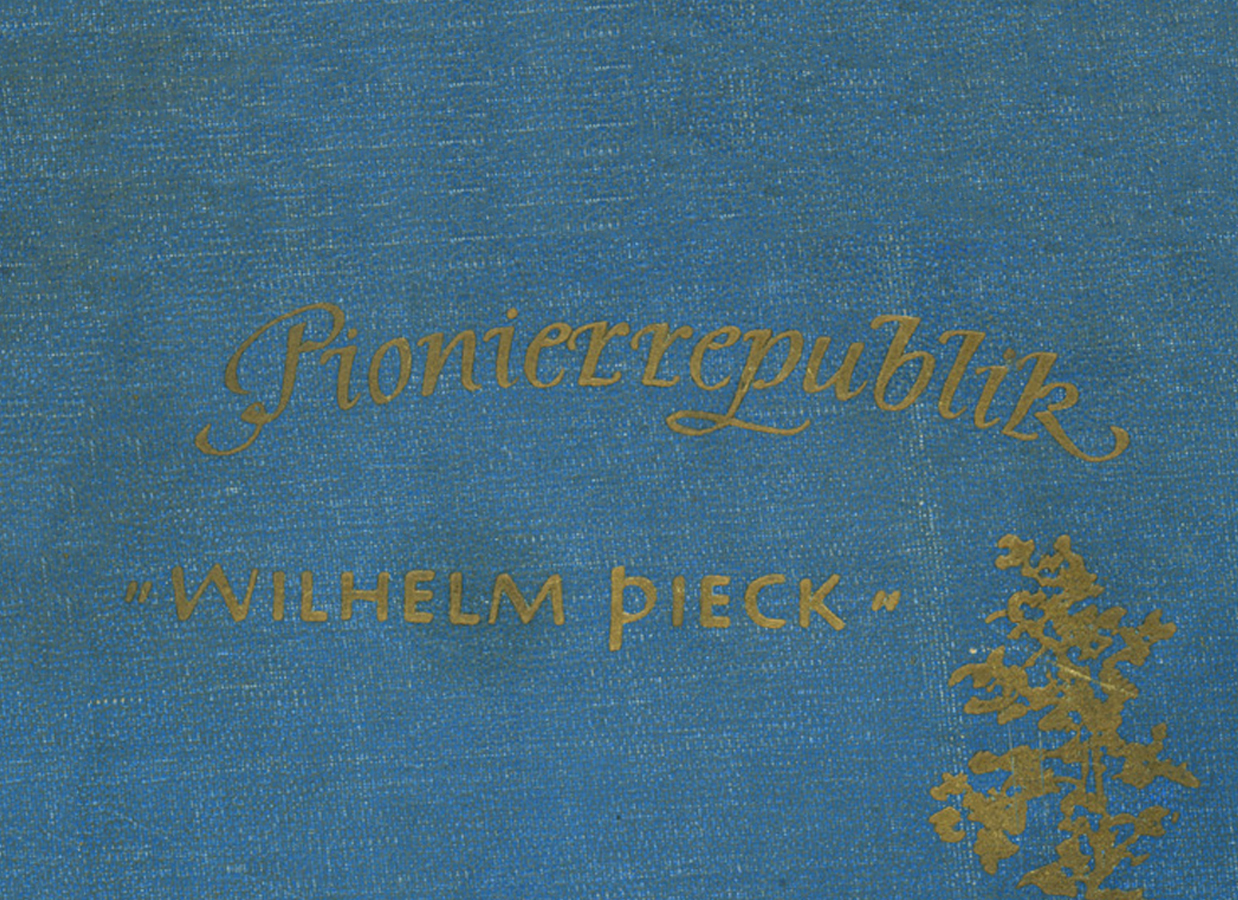
Pionerë shqipëtarë në kampin "Wilhelm Pieck" në Republikën Demokratike Gjermane
Album mbi pjesëmarrjen e pionerëve shqiptarë në kampin veror ndërkombëtar të Republikës së Pionerëve "Wilhelm Pieck" në Republikën Demokratike Gjermane në vitin 1961.
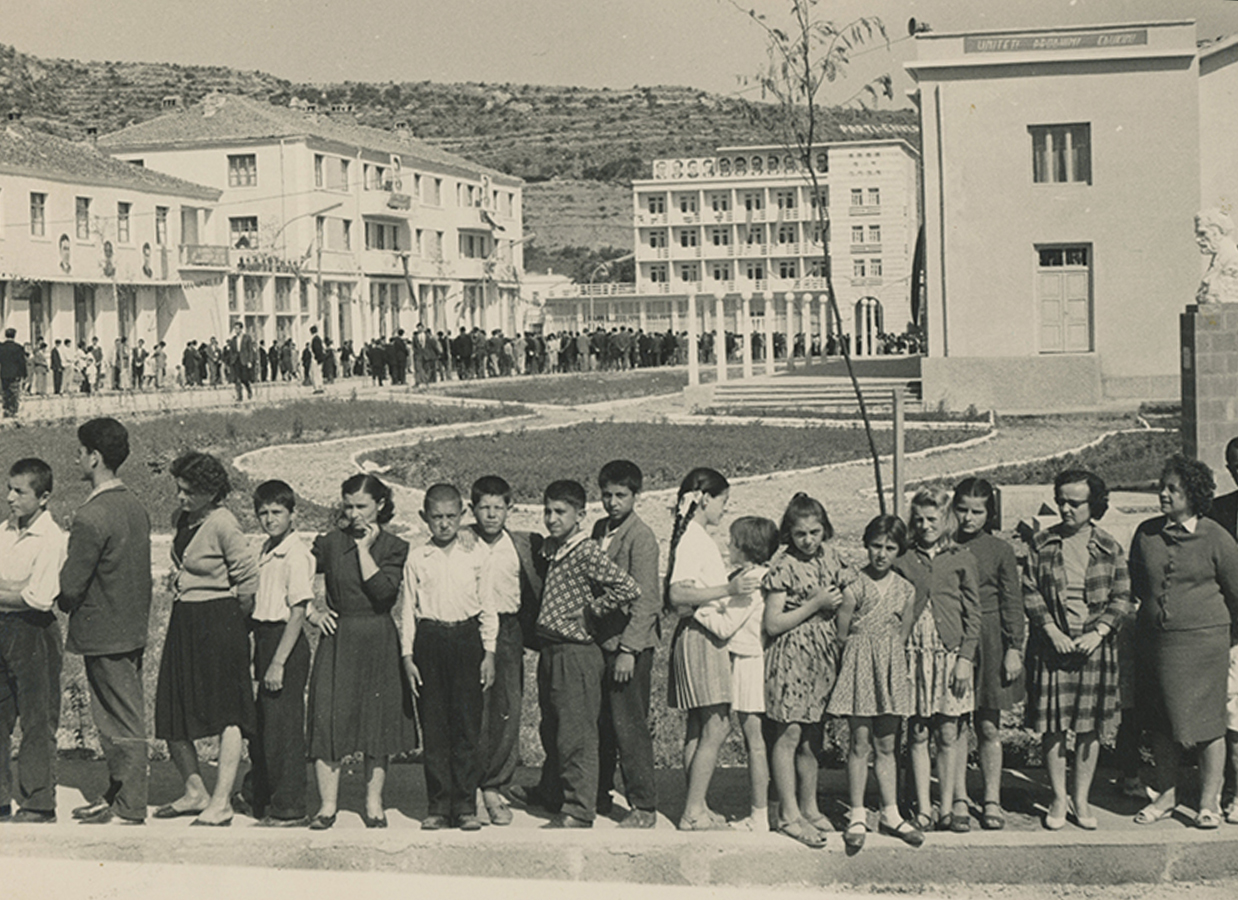
Vizita e Enver Hoxhës në Përmet më 24 Maj 1964
Kongresi i Përmetit, kongresi i parë antifashist i Lëvizjes Nacional Çlirimtare, ku u përvijua forma e qeverisjes së pasluftës, ishte një nga datat më emblematike të historiografisë komuniste, e cila përkujtohej dhe festohej me madhështi nga regjimi. Albumi ilustron vizitën e krerëve të lartë të regjimit komunist në 20 vjetorin e Kongresit.
Ndërtimi i hidrocentalit " Frederik Engels"
Hidrocentali i dytë mbi rrjedhën e lumit Mat, në grykën e Shkopetit, filloi të ndërtohej më 1959 dhe u vu në shfrytëzim më 1963. Deri në fund të viteve 1990 njihej me emrin “Frederik Engels”. Albumi ilustron fazat e ndryshme të ndërtimit të këtij hidrocentrali
Nga albumi mbi historikun e uzinës "Tirana"
Vizitë e zv.kryeministrit Adil Çarçani dhe kryetarit të Komitetit Ekzekutiv të Tiranës Abdyl Këllezi, në uzinën “Tirana”. Reparti i vogël brenda uzinës “Partizani” në vitin 1967 u shkëput për të krijuar uzinën “Tirana”, e cila ishte e njohur për prodhimin e pajisjeve të ndryshme si biçikleta, karroca fëmijësh, ndriçues të ndryshëm etj.
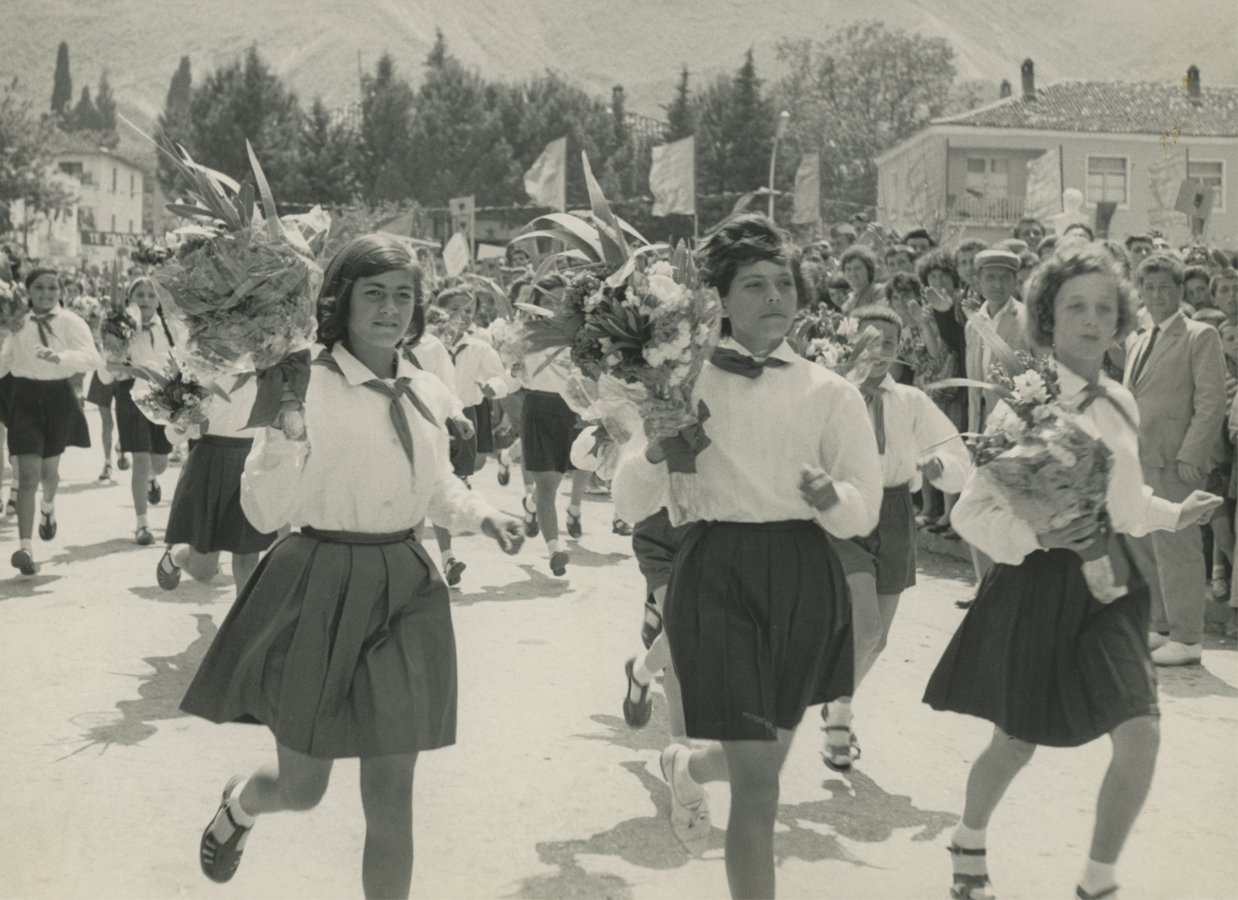
Vizita e Enver Hoxhës në Përmet më 24 Maj 1969
24 Maji ishte një nga datat më emblematike të historiografisë komuniste, e cila përkujtohej dhe festohej me madhështi nga regjimi. Përveç kremtimeve të përvitshme, çdo 5 vjet zbarkonin në Përmet krerët më të lartë të regjimit komunist. Albumi ilustron vizitën e tyre me rastin e 25 vjetorit të Kongresit të Përmetit.
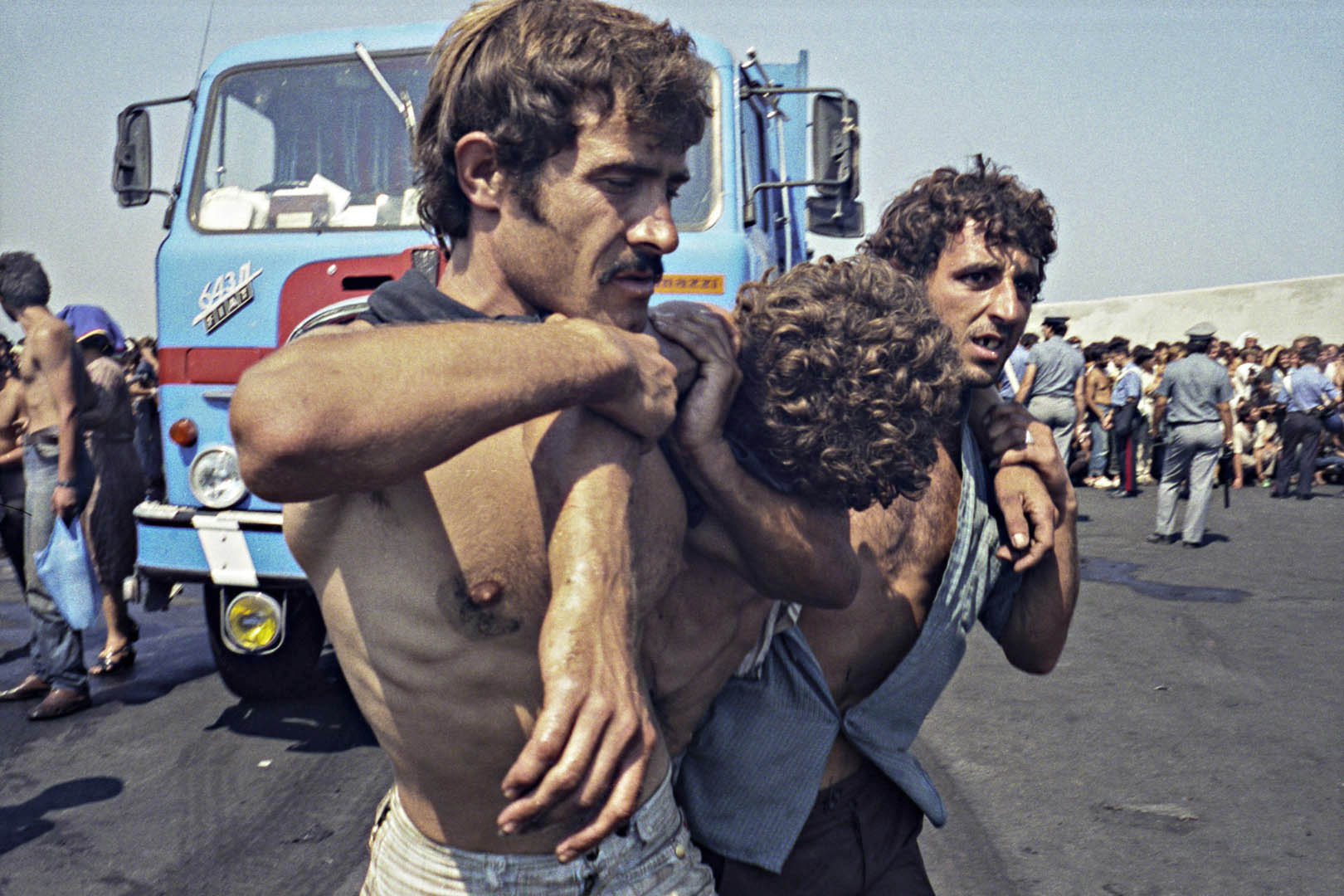
GIOVANNI RUGGIERO - 8 Gusht 1991. Të dëshpëruarit e anijes "Vlora".
Njëzet mijë refugjatët e anijes “Vlora” kishin një ëndërr lirie, e cila u zhbë në Itali brenda një jave. Pak muaj më herët, në muajin mars, të njëjtin fat kishin tentuar edhe të tjerë bashkatdhetarë. U kishte shkuar mirë, por këtë herë Italia, që e konsideronin si nënë të dytë, dhe të cilën kishin nisur ta njihnin e ta dashuronin fshehurazi - si një dashnore sekrete - përmes programeve tona televizive, u tregua njerkë.I ushqenin në stadium duke u hedhur sanduiçe dhe bidona uji. Urdhri ishte të rraskapiteshin për t'i demoralizuar dhe nxitur të largoheshin. Sa keq që atje ishim edhe ne, me fletoret, aparatet dhe kamerat tona. Caritas-i italian ngriti zërin, gjysma e botës drejtoi gishtin drejt Italisë.Në këto ditë turpi fillova ta dua Shqipërinë dhe njerëzit e saj. Do të kisha dashur t'i pyesja secilin prej tyre, kur endesha i dëshpëruar nëpër stadium: “Nga ç’ferr po largoheni kështu?”. Doja ta dija. GIOVANNI RUGGIERO - 8 Agosto 1991. I disperati di “Vlora".I ventimila della Vlora avevano un sogno di libertà che s’infranse in Italia in poco più di una settimana. Qualche mese prima, a marzo, altri connazionali avevano tentato identica sorte. A loro era andata bene, ma questa volta, l‘Italia che avevano creduto fosse una seconda madre e avevano cominciato a conoscere e ad amare in modo clandestino – come un’amante segreta – attraverso i programmi della nostra televisione, si mostrò matrigna.Venivano sfamati nello stadio con lancio di panini e dissetati con altri lanci di bottiglie di acqua minerale. L’ordine era quello di sfiancarli per indurli a partire, mortificandoli. Peccato ci fossimo noi con i nostri taccuini, le nostre telecamere e le nostre macchine fotografiche. Insorse la Caritas Italiana, mezzo mondo puntò il dito contro l’Italia.Ho cominciato in questi giorni della vergogna ad amare l’Albania e la sua gente. Avrei voluto chiedere ad ognuno di loro – quando giravo per lo stadio in un profondo avvilimento – agli Altin, ai Bashkim, ai Meti o agli Ilir: «Ma da dove scappi, per scappare così?» Volevo sapere.